News & Updates

The Rise of Sustainable MICE Tourism in Africa: A Growing Trend for Business Events
Brian Lucky Sun, Mar 02, 2025
The Rise of Sustainable MICE Tourism in Africa: A Growing Trend for Business Events
The Meetings, Incentives, Conferences, and Exhibitions (MICE) industry is one of the fastest-growing sectors in global tourism, and Africa is no exception. As businesses and organizations around the world increasingly prioritize sustainability, there has been a significant rise in sustainable MICE tourism across the African continent. The shift towards greener, more responsible practices is not just a passing trend—it's a powerful movement reshaping how business events are organized and hosted.
Why Sustainable MICE Tourism Matters
MICE tourism brings significant economic benefits to countries by attracting international business leaders, entrepreneurs, and professionals. However, these events also come with environmental and social challenges, such as high carbon emissions from air travel, excessive waste generation, and overburdened local resources. As sustainability becomes a core value for businesses, the MICE industry has been quick to embrace practices that minimize negative impacts on the environment and local communities.
Sustainable MICE tourism encompasses eco-friendly event planning, responsible travel, green accommodations, waste reduction, and more. The ultimate goal is to ensure that business events, while contributing to the economy, leave a positive legacy for both the environment and the people of the host destination.
Africa's Growing Focus on Sustainable MICE Tourism
Africa is home to some of the world’s most diverse ecosystems, rich cultural traditions, and a wealth of natural beauty. With its burgeoning MICE industry, the continent is uniquely positioned to lead the way in sustainable business events. African countries are increasingly aware of the environmental challenges they face, including climate change, deforestation, and habitat loss, and are working to integrate sustainability into their tourism offerings.
1. Green Venues and Eco-Friendly Accommodations
A key factor in the rise of sustainable MICE tourism in Africa is the growth of green venues and eco-friendly hotels. Cities like Cape Town, Nairobi, and Kigali are becoming pioneers in providing MICE tourists with sustainable event spaces that are equipped with energy-efficient technologies, water-saving systems, and waste management practices.
Many African hotels and conference centers are achieving international certifications like LEED (Leadership in Energy and Environmental Design), which set standards for sustainability in construction, operations, and maintenance. Some venues even grow their own food, use solar power, and promote local cultural experiences, creating an all-around sustainable event environment.
2. Responsible Travel and Sustainable Transportation
Getting to and from business events has a large carbon footprint, but many African cities are finding ways to make travel more sustainable. For instance, Kigali’s public transportation system includes hybrid buses, while Cape Town has increased its use of electric vehicles for event transportation. Several African countries are also promoting the use of rail travel and eco-friendly charter flights to reduce the impact of air travel.
Organizers are increasingly offering "green" transportation options, encouraging event attendees to carpool, use electric vehicles, or rely on public transport when traveling to events.
3. Supporting Local Communities
One of the most exciting aspects of sustainable MICE tourism in Africa is its ability to benefit local communities. By choosing local venues, sourcing food and materials from local producers, and hiring local staff, event organizers can help stimulate the local economy and create job opportunities. This also helps preserve cultural traditions and supports small businesses.
Additionally, many events are incorporating community-focused elements, such as charitable donations or volunteering programs, helping to create a meaningful impact on the communities that host them. For example, corporate events might donate a portion of their earnings to local environmental initiatives or support wildlife conservation projects.
4. Hybrid and Virtual Events: A Sustainable Alternative
The COVID-19 pandemic accelerated the adoption of virtual and hybrid events. These formats, while born out of necessity, have proven to be beneficial for sustainability by significantly reducing the need for travel and lowering carbon emissions. Hybrid events, which combine in-person and virtual components, are especially popular in Africa as they allow participants from across the globe to engage without the environmental toll of international travel.
As more African businesses embrace technology and digital platforms, hybrid events are becoming a staple of the MICE industry. This shift not only makes business events more accessible but also helps organizations meet their sustainability goals by reducing their carbon footprint.
5. Promoting Local Experiences and Eco-Tourism
Another emerging trend is combining business events with leisure travel, known as “bleisure” travel. Many MICE events in Africa are incorporating local eco-tourism experiences into their programs, allowing attendees to explore Africa’s natural beauty responsibly. Delegates might go on guided safaris in eco-conscious reserves, visit sustainable farming operations, or participate in cultural tours that support local artisans and traditions.
By offering these eco-friendly experiences, Africa can position itself as a top destination for sustainable MICE tourism, attracting global corporations that want to combine business with leisure while minimizing their environmental impact.
The Benefits of Sustainable MICE Tourism for Africa
The shift to sustainable MICE tourism offers numerous advantages for Africa. These include:
-
Economic Growth: Sustainable tourism attracts high-value business events that bring in revenue, create jobs, and stimulate local economies. Sustainable MICE tourism encourages investment in green infrastructure and responsible tourism initiatives, contributing to long-term growth.
-
Branding and Reputation: African cities and countries that promote sustainability can position themselves as global leaders in eco-friendly tourism, attracting international businesses and tourists who prioritize ethical practices.
-
Environmental Protection: Sustainable MICE tourism helps reduce the carbon footprint of business events, promotes conservation, and ensures that Africa’s precious ecosystems and wildlife are protected for future generations.
-
Cultural Preservation: By focusing on sustainable practices that support local communities, African countries can preserve their unique cultures and traditions, ensuring that tourism benefits all aspects of society.
Conclusion
As the world increasingly turns toward sustainability, Africa’s MICE industry is embracing this shift, offering greener, more responsible event options. The rise of sustainable MICE tourism in Africa is not just a trend—it’s a movement that benefits businesses, local communities, and the environment. With its abundant natural resources, diverse cultures, and commitment to green practices, Africa is positioned to become a leading destination for sustainable business events, setting an example for the world to follow.
For companies and organizations looking to host their next business event, Africa offers a unique blend of innovation, eco-consciousness, and business opportunity—all while making a lasting positive impact on the planet.

More articles for you

The Great Wildebeest Migration: Why July to October is the Best Time to Visit the Masai Mara
Fri, Jul 31, 2026 12 Mins

Africa’s Top MICE Destinations: Where Business Meets Exceptional Experiences
Wed, Jul 29, 2026 10 Mins

DRC’s Tourism Push: A Bold Gamble?
Tue, Jul 15, 2025 9 Mins
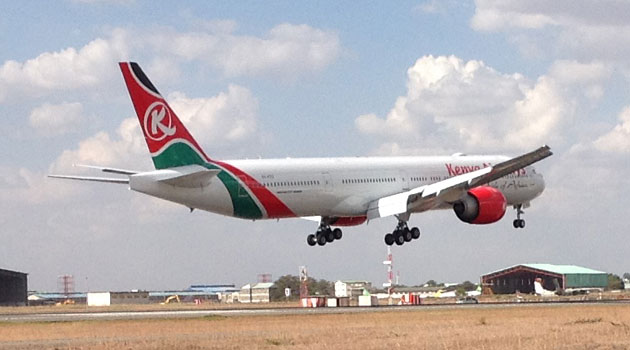
Kenya Airways Boosts Capacity with Dreamliner Return & New Leases
Tue, Jul 15, 2025 9 Mins

Airlink-Turkish Airlines Codeshare: A Game Changer for African Travel
Tue, Jul 15, 2025 10 Mins

European Hotels Embrace AI
Mon, Jul 14, 2025 10 Mins