News & Updates

Promoting Africa as a Sustainable Destination for International Conferences
Joy Gabriels Fri, Mar 07, 2025
Promoting Africa as a sustainable destination for international conferences requires a strategic and holistic approach that highlights the continent's unique offerings, commitment to sustainability, and the positive impacts such events can have on both the local economy and the environment. Here are several ways to effectively promote Africa as a sustainable destination for international conferences:
1. Highlighting Africa’s Natural Beauty and Eco-Friendly Venues
Africa’s diverse landscapes, from lush rainforests to arid deserts and wildlife-rich savannahs, offer a stunning backdrop for sustainable conferences. Many African countries have eco-friendly conference venues, eco-lodges, and green-certified hotels. By showcasing these venues as part of the sustainable tourism ecosystem, organizers can appeal to conference planners looking for locations that align with their sustainability values.
-
Examples: Countries like Kenya, South Africa, Rwanda, and Botswana have been increasingly focusing on sustainable tourism practices, including carbon offsetting, water conservation, and waste management.
-
Green Certifications: Promoting venues and hotels with green certifications like LEED (Leadership in Energy and Environmental Design) can appeal to environmentally-conscious organizers.
2. Leveraging Africa’s Commitment to Sustainability
Many African countries are increasingly focused on sustainable development. African governments and organizations are adopting policies and frameworks that prioritize sustainability, making the continent a natural choice for conferences that wish to promote sustainability in all sectors. This can include:
- Energy Initiatives: Africa is home to innovative renewable energy projects, including solar, wind, and geothermal power, which can power conference facilities and reduce the carbon footprint of events.
- Conservation Efforts: By highlighting Africa's biodiversity conservation efforts, such as sustainable wildlife tourism and protected areas like national parks and reserves, conference organizers can tap into the global interest in preserving the planet's natural resources.
3. Promoting Carbon Offset and Eco-Friendly Transportation Options
Sustainability is not just about the venue; it extends to transportation and the overall carbon footprint of the event. Africa can promote itself as a sustainable destination by offering:
-
Carbon Offsetting Programs: Encourage event organizers to offset the carbon emissions generated by air travel and transportation during the conference. African countries are increasingly investing in projects that contribute to carbon offsetting, such as reforestation and renewable energy projects.
-
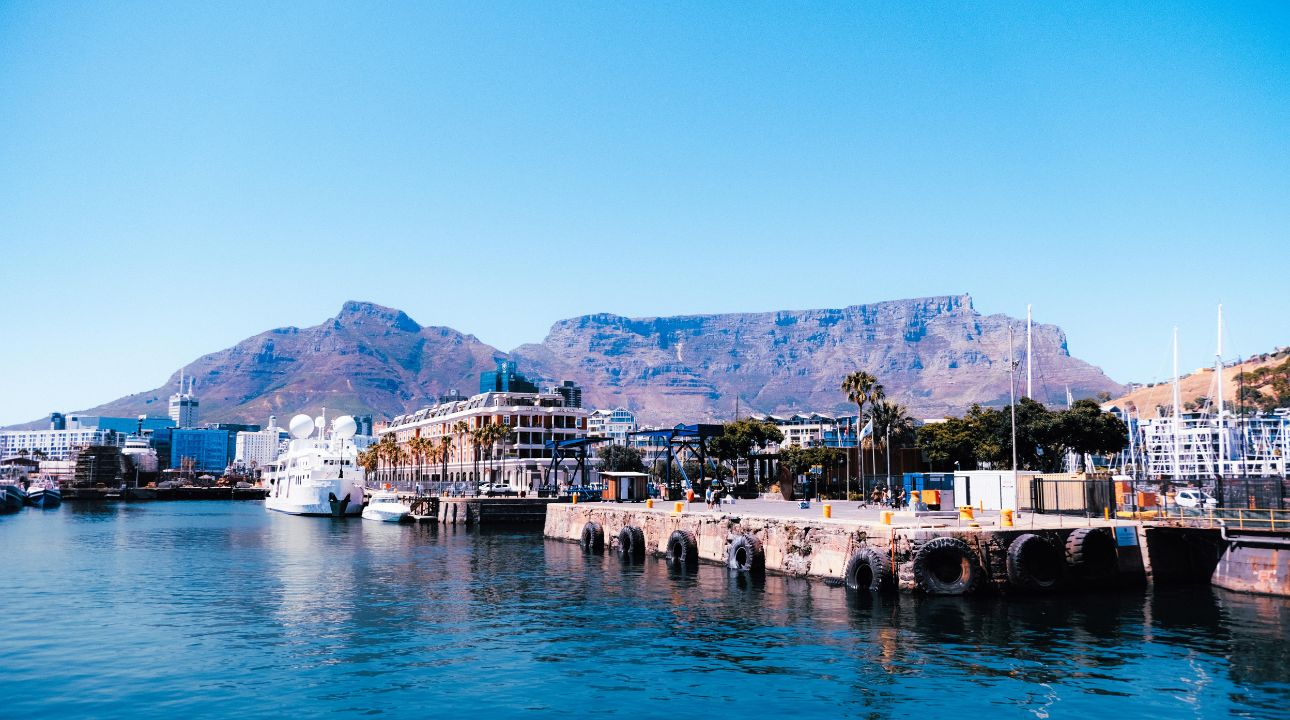
Sustainable Travel: Africa is investing in better public transportation systems, including electric buses and sustainable taxis, to reduce the environmental impact of travel. For example, Cape Town in South Africa has introduced several initiatives to reduce the city's carbon emissions.
-
Proximity to Nature: For conferences that promote sustainability and conservation, offering proximity to nature reserves, wildlife sanctuaries, and protected ecosystems can be an attractive feature.
4. Building Partnerships with Global Sustainable Organizations
Collaborating with international organizations, such as the United Nations Environment Programme (UNEP) or the International Congress and Convention Association (ICCA), can enhance Africa’s appeal as a sustainable conference destination. By aligning with global sustainability standards and showcasing these partnerships, African destinations can build credibility as leaders in hosting sustainable events.
5. Cultural and Social Sustainability
Promoting social sustainability is just as important as environmental sustainability. Africa is rich in cultural heritage, and many regions offer immersive experiences that educate attendees about the importance of preserving local traditions, cultures, and social systems.
-
Local Empowerment: Conferences held in Africa can support local communities by sourcing food, services, and products locally, creating jobs, and ensuring that the economic benefits are felt by the host community. This can help reduce inequalities and ensure the community directly benefits from the event.
-
Cultural Exchange and Awareness: Highlighting the value of cultural exchange during conferences can make Africa an attractive destination for delegates looking for unique experiences. Conferences can include cultural sessions, local art exhibitions, and traditional performances that help raise awareness of African cultures and traditions.
6. Showcasing the Region’s Successful Conference Models
Africa has a growing reputation for hosting successful, sustainable international conferences. For example, countries like South Africa have already hosted large-scale international events such as the COP17 Climate Change Conference (2011) and the World Economic Forum Africa.
- Case Studies and Testimonials: Promoting successful case studies, testimonials from past international conference organizers, and data on how Africa successfully manages large-scale events can build confidence among potential clients.
7. Government Support and Incentives
Government support can make a significant difference in positioning Africa as a sustainable conference destination. Offering incentives such as tax breaks, grants, or subsidies for hosting sustainable events can encourage international conference organizers to consider Africa as a prime location.
- Investment in Infrastructure: In many African countries, governments are improving infrastructure to make destinations more appealing, including better access to airports, roads, and communication networks, all of which are important for hosting international events.
8. Developing Green Event Guidelines and Frameworks
Providing conference organizers with clear sustainability guidelines can make it easier for them to host green events in Africa. These guidelines might include:
- Minimizing Waste: Encouraging recycling, reducing single-use plastics, and promoting digital materials over paper.
- Eco-friendly Catering: Using locally sourced, organic, and sustainably produced food.
- Energy Efficiency: Ensuring that all events adhere to energy-saving protocols, including using renewable energy sources for powering the event.
9. Marketing Africa as a Unique and Exclusive Conference Destination
Positioning Africa as a unique, diverse, and exclusive destination for international conferences is key to attracting high-profile events. Many parts of Africa offer a combination of scenic beauty, rich culture, wildlife experiences, and a thriving, innovative spirit that makes it stand out from other destinations. Conference attendees can enjoy both work and leisure in one of the world’s most biodiverse and culturally rich continents.
- Exclusive Experiences: Offering delegates opportunities to participate in sustainable safari tours, visit wildlife conservation projects, or experience local culture before or after the conference can make the event more appealing and memorable.
Conclusion
Promoting Africa as a sustainable destination for international conferences is an opportunity to showcase the continent’s beauty, commitment to sustainability, and cultural richness while also making a positive contribution to local economies and ecosystems. By emphasizing green practices, community empowerment, and regional partnerships, Africa can position itself as a leading destination for sustainable meetings and conferences that align with the growing global demand for environmentally responsible tourism.

More articles for you

The Great Wildebeest Migration: Why July to October is the Best Time to Visit the Masai Mara
Fri, Jul 31, 2026 12 Mins
Africa’s Top MICE Destinations: Where Business Meets Exceptional Experiences
Wed, Jul 29, 2026 10 Mins

DRC’s Tourism Push: A Bold Gamble?
Tue, Jul 15, 2025 9 Mins

Kenya Airways Boosts Capacity with Dreamliner Return & New Leases
Tue, Jul 15, 2025 9 Mins

Airlink-Turkish Airlines Codeshare: A Game Changer for African Travel
Tue, Jul 15, 2025 10 Mins

European Hotels Embrace AI
Mon, Jul 14, 2025 10 Mins