News & Updates

How Is the Global MICE Industry Impacting Business Tourism in Africa?
Koyel Ghosh Thu, Feb 13, 2025
Advantages of choosing Africa as a MICE destination
Africa's appeal as a MICE destination lies in its rich cultural heritage, diverse landscapes, and wildlife, which offer unique experiences for delegates combining business with leisure. Countries like Morocco and Egypt capitalize on their historical landmarks and vibrant cities to attract international conferences and incentive travel programs. Furthermore, its geographical location facilitates global connectivity, with major airlines expanding their routes to key MICE destinations. Improved air transport infrastructure, including modern airports and direct flight connections, enhances accessibility and convenience for international delegates traveling to and within the continent. In addition to natural attractions and logistical advantages, local governments and tourism authorities have implemented policies to support the growth of the Africa MICE industry. Incentives such as tax breaks for conference organizers, streamlined visa processes, and investment in venue infrastructure contribute to enhancing Africa's competitiveness as a preferred destination for business events.
For instance, the Africa Aerospace and Defence (AAD) exhibition in South Africa, held biennially in Pretoria, showcases the continent's aerospace and defense industries to a global audience. The event attracts international exhibitors, government delegations, and defense experts, contributing to technological innovation and business networking in Africa. In East Africa, Rwanda has emerged as a model for sustainable MICE tourism with the Kigali Convention Centre serving as a state-of-the-art venue for international conferences and summits. In 2018, Rwanda's government launched the MICE strategy, aiming to position Kigali as a premier MICE destination in Africa. This initiative included infrastructure investments in convention centers and hotels, streamlined visa policies, and promotional campaigns.
Economic impact of the MICE industry in Africa
MICE events bring in significant revenue through delegate spending on accommodations, dining, transportation, and entertainment. According to the World Travel & Tourism Council (WTTC), business travel spending in Africa has been steadily increasing, influenced in part by MICE activities. Hosting large-scale MICE events necessitates a strong infrastructure, prompting investments in hotels, convention centers, transportation networks, and telecommunications. For instance, the Cape Town International Convention Centre in South Africa and the Kenyatta International Convention Centre in Kenya have been significant in attracting global MICE events, while also stimulating local construction and service industries. Moreover, the MICE sector creates direct and indirect employment opportunities. Whether it is event organizers, hospitality staff, or transport providers and local vendors, a wide range of professionals benefit from increased business tourism. This job creation supports economic diversification and reduces unemployment rates, particularly among youth and urban populations.
In South Africa, for example, Johannesburg and Cape Town are renowned for hosting major international conferences and exhibitions, such as the World Economic Forum and the Mining Indaba. These events not only attract thousands of delegates but also allow millions of dollars into the local economy through spending on accommodation, dining, transportation, and leisure activities. Similarly, Kenya's capital city, Nairobi, has become a hub for regional and continental conferences, benefiting from its strategic location, well-equipped conference facilities, and vibrant hospitality sector. Events like the United Nations Environment Assembly and the Africa Hotel Investment Forum have established Nairobi's reputation as a premier MICE destination in East Africa.
Technology-driven solutions such as virtual and hybrid events, AR, and AI are reforming the MICE industry, offering cost-effective alternatives and enhancing participant engagement. African destinations can utilize these digital tools to reach a wider audience, accommodate diverse delegate preferences, and extend the lifespan of events beyond physical gatherings. Moreover, the integration of cultural immersion experiences, culinary tourism, and wellness activities into MICE programs enhances the overall delegate experience and promotes destination loyalty. African countries with rich cultural heritage and natural attractions are well-positioned to capitalize on these experiential trends and offer memorable business travel experiences.
Endnote
As African nations increasingly host conferences, exhibitions, and corporate events, they attract various visitors, which directly or indirectly boost the local economies. This not only strengthens investment in hospitality and transportation sectors and other local businesses but also promotes cultural exchange and knowledge exchange across borders. Africa is thus set to emerge as a hub for business tourism globally, by adapting to this influential change.

More articles for you

The Great Wildebeest Migration: Why July to October is the Best Time to Visit the Masai Mara
Fri, Jul 31, 2026 12 Mins

Africa’s Top MICE Destinations: Where Business Meets Exceptional Experiences
Wed, Jul 29, 2026 10 Mins

DRC’s Tourism Push: A Bold Gamble?
Tue, Jul 15, 2025 9 Mins
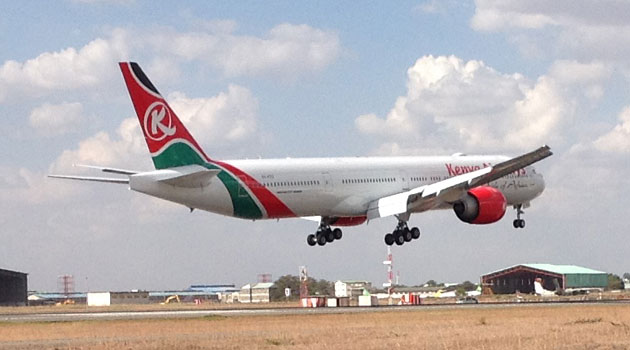
Kenya Airways Boosts Capacity with Dreamliner Return & New Leases
Tue, Jul 15, 2025 9 Mins

Airlink-Turkish Airlines Codeshare: A Game Changer for African Travel
Tue, Jul 15, 2025 10 Mins

European Hotels Embrace AI
Mon, Jul 14, 2025 10 Mins