News & Updates

How African Destinations Are Leading the Way in Green MICE Tourism
Meshack Simiyu Sun, Mar 02, 2025
How African Destinations Are Leading the Way in Green MICE Tourism
The Meetings, Incentives, Conferences, and Exhibitions (MICE) tourism sector is booming across the globe, and African destinations are emerging as leaders in promoting sustainable, or "green," MICE tourism. As businesses and corporations increasingly prioritize environmental responsibility, the demand for sustainable events has reached new heights. Africa, with its vast natural beauty and diverse cultures, offers an exciting opportunity for green MICE tourism, where eco-friendly practices blend seamlessly with business events.
Let’s explore how key African destinations are making strides in green MICE tourism and setting a global example.
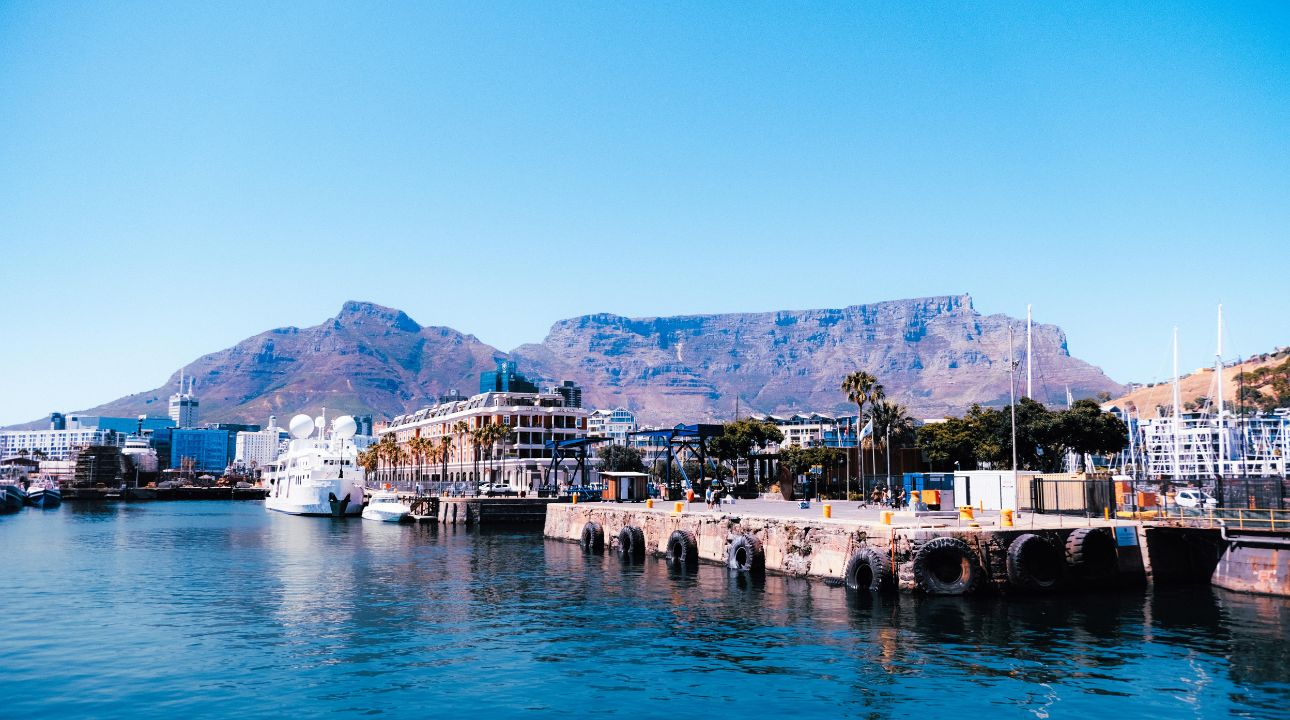
1. Cape Town, South Africa: A Model for Sustainable Events
Cape Town is a prime example of how cities can combine sustainability with business tourism. The city has embraced eco-friendly practices across multiple sectors, and its MICE tourism industry is no exception. Here are some of the ways Cape Town is leading the charge in green MICE tourism:
-
Green Venues: Cape Town is home to numerous eco-certified venues, such as the Cape Town International Convention Centre (CTICC), which has received accolades for its energy-efficient systems, water-saving initiatives, and waste reduction practices. The CTICC has also achieved a Green Star rating from the Green Building Council of South Africa.
-
Sustainable Transport: The city promotes sustainable transport options such as electric vehicle rentals, public transport, and eco-friendly taxi services. In addition, Cape Town is investing in renewable energy infrastructure to power key venues and hotels.
-
Eco-Friendly Hotels: Cape Town boasts a variety of hotels committed to sustainable practices. For example, the One&Only Cape Town operates with a zero-waste policy and sustainable sourcing of food and materials. The city is also home to several hotels that participate in local sustainability initiatives, including energy-saving initiatives and community engagement projects.
-
Conservation Initiatives: Cape Town offers delegates the opportunity to engage in responsible tourism activities, such as eco-tours of the Table Mountain National Park or participating in local conservation projects. These activities contribute to both sustainability and community development.
2. Kigali, Rwanda: The Green Capital of Africa
Rwanda, known as the "Land of a Thousand Hills," has positioned Kigali as a leading destination for sustainable MICE tourism. The city has garnered attention for its ambitious environmental policies and commitment to eco-tourism:
-
Eco-Friendly Infrastructure: Kigali’s infrastructure is designed with sustainability in mind. The city has been recognized for its clean streets, green spaces, and use of renewable energy sources. Kigali is also known for its green buildings and eco-friendly conference facilities, such as the Kigali Convention Centre, which follows sustainable building practices.
-
Plastic-Free Initiatives: Rwanda is the first country in Africa to ban plastic bags, and Kigali has extended this commitment to green practices by minimizing waste and ensuring that events adhere to eco-friendly protocols. This makes Rwanda one of the cleanest and most sustainable destinations for MICE tourism in Africa.
-
Sustainable Hotels and Venues: Hotels in Kigali are increasingly adopting sustainable practices, with properties like the Radisson Blu Hotel Kigali leading the way in reducing water consumption and energy use. Venues throughout the city ensure waste is recycled and that eco-friendly catering options are prioritized.
-
Community Engagement: Rwanda is dedicated to ensuring that tourism benefits local communities. Sustainable tourism efforts include empowering local communities to participate in eco-tourism and conservation programs. Business event attendees can take part in volunteer initiatives, such as supporting local wildlife preservation in the Volcanoes National Park.
3. Nairobi, Kenya: A Hub for Responsible Business Tourism
Nairobi, often dubbed the "Green City in the Sun," is not just Kenya's capital but also a rising leader in sustainable MICE tourism. The city has implemented a range of eco-conscious practices, making it an attractive destination for global events:
-
Eco-Tourism and Business Synergy: Nairobi blends MICE tourism with eco-tourism in a unique way. The city is home to the Nairobi National Park, the only national park in the world located within a capital city. Delegates attending MICE events can experience responsible wildlife tourism, such as guided safaris and conservation tours, all while contributing to wildlife protection efforts.
-
Sustainable Venues and Hotels: Nairobi offers numerous green-certified venues and hotels. The Panari Sky Hotel, for example, has introduced green initiatives such as water-saving technology, solar power, and waste recycling programs. Additionally, the Sarova Panafric Hotel uses energy-efficient lighting and sustainable food sourcing for its catering services.
-
Energy and Waste Management: The city has made major strides in managing waste and reducing energy consumption. Nairobi is actively promoting the use of alternative energy sources, like solar power, and its MICE venues are encouraged to reduce their carbon footprint by following green standards for waste management and resource use.
4. Zanzibar, Tanzania: Eco-Friendly Incentive Travel and Conferences
Zanzibar, an archipelago off the coast of Tanzania, is not just a tropical paradise but also a growing destination for sustainable MICE tourism. With its rich culture and pristine natural landscapes, Zanzibar is positioning itself as an eco-tourism leader:
-
Eco-Resorts and Sustainable Venues: Zanzibar is home to a range of eco-resorts that combine luxury with sustainability. Properties like Zanzi Resort and The Residence Zanzibar are committed to sustainable practices, such as water conservation, organic farming, and waste reduction. These resorts are increasingly hosting MICE events and incentive travel programs that emphasize responsible tourism.
-
Conservation Efforts: Zanzibar has several conservation projects, including marine conservation initiatives and efforts to preserve its unique ecosystems. Business events held on the island often include activities like coral reef restoration or visits to local wildlife sanctuaries, allowing delegates to engage in hands-on sustainability efforts.
-
Cultural and Community Impact: Zanzibar's MICE tourism supports local artisans and small businesses by sourcing materials and services locally. Organizers are encouraged to create events that benefit local communities, promoting sustainable livelihoods and cultural preservation.
5. Accra, Ghana: A Green Destination for West Africa
Accra, the bustling capital of Ghana, is making great strides toward becoming a green destination for MICE tourism. The city's initiatives reflect the broader movement across West Africa to adopt more sustainable tourism practices:
-
Eco-Conscious Venues: Accra offers several venues that adhere to green building standards. The Accra International Conference Centre has integrated energy-saving technologies and sustainable waste management systems, making it an attractive choice for international business events.
-
Sustainable Hotel Options: Several hotels in Accra, such as the Labadi Beach Hotel, are committed to sustainability through water conservation programs, the use of solar power, and the reduction of plastic waste. These hotels prioritize local food sourcing and environmental awareness for delegates.
-
Cultural and Environmental Integration: Accra emphasizes the importance of blending MICE events with cultural experiences. Delegates can engage with local artisans, take part in community-based eco-tourism activities, and visit historical sites, all while promoting sustainable development within the region.
Conclusion
African destinations are increasingly becoming global leaders in green MICE tourism, offering eco-conscious venues, sustainable event planning, and unique cultural and environmental experiences. Cities like Cape Town, Kigali, Nairobi, Zanzibar, and Accra are setting an example for the rest of the world by integrating sustainability into their MICE tourism offerings. As businesses around the world continue to prioritize environmental responsibility, these African destinations are well-positioned to cater to the demand for sustainable events that leave a positive impact on both the planet and local communities.
By promoting sustainable practices and encouraging responsible tourism, these destinations are not only attracting business travelers but also contributing to the preservation of Africa’s natural and cultural treasures for generations to come.

More articles for you

The Great Wildebeest Migration: Why July to October is the Best Time to Visit the Masai Mara
Fri, Jul 31, 2026 12 Mins
Africa’s Top MICE Destinations: Where Business Meets Exceptional Experiences
Wed, Jul 29, 2026 10 Mins

DRC’s Tourism Push: A Bold Gamble?
Tue, Jul 15, 2025 9 Mins

Kenya Airways Boosts Capacity with Dreamliner Return & New Leases
Tue, Jul 15, 2025 9 Mins

Airlink-Turkish Airlines Codeshare: A Game Changer for African Travel
Tue, Jul 15, 2025 10 Mins

European Hotels Embrace AI
Mon, Jul 14, 2025 10 Mins