News & Updates

Creating Green Conferences: A Case Study of Successful Sustainable MICE Events in Africa
Faith Nyokia Mon, Mar 03, 2025
Creating Green Conferences: A Case Study of Successful Sustainable MICE Events in Africa
In recent years, there has been a growing demand for sustainability in the Meetings, Incentives, Conferences, and Exhibitions (MICE) sector globally. Africa, with its diverse landscapes, rich cultural heritage, and emerging economic growth, is increasingly becoming a hub for sustainable MICE events. Several conferences and events across the continent have embraced green practices, showcasing how the MICE industry can support both environmental sustainability and economic development.
This case study highlights successful sustainable MICE events in Africa, emphasizing the strategies used, the impact of sustainability practices, and the lessons learned. These examples provide valuable insights for other regions and businesses looking to integrate sustainability into their MICE operations.
1. The Africa Green Revolution Forum (AGRF) – Rwanda
The Africa Green Revolution Forum (AGRF) is one of the largest annual gatherings focused on advancing sustainable agricultural development in Africa. Held in Rwanda, a country that has been a leader in environmental policies, AGRF demonstrates how a conference can be both environmentally responsible and regionally impactful.
Sustainable Practices:
- Carbon Neutrality: AGRF adopted a carbon offset strategy, including measuring its carbon footprint from transportation, electricity use, and waste generation. The conference compensated for its emissions by supporting local reforestation projects, aligning with Rwanda’s national goals of sustainability.
- Venue Selection: The event was hosted at Kigali’s Kigali Convention Centre, a modern venue that adheres to sustainability standards, featuring energy-efficient systems and waste management practices.
- Sustainable Catering: AGRF partnered with local suppliers to provide organic and locally sourced food, reducing the carbon footprint of food transportation and supporting the local economy.
Impact:
- Economic Development: By promoting sustainable agriculture, AGRF provided opportunities for local farmers and agribusinesses to network with global stakeholders, enhancing economic growth in the region.
- Environmental Education: The conference highlighted the importance of green practices in agriculture, raising awareness among attendees about the role of sustainable farming in combating climate change.
2. The Cape Town International Convention Centre (CTICC) – South Africa
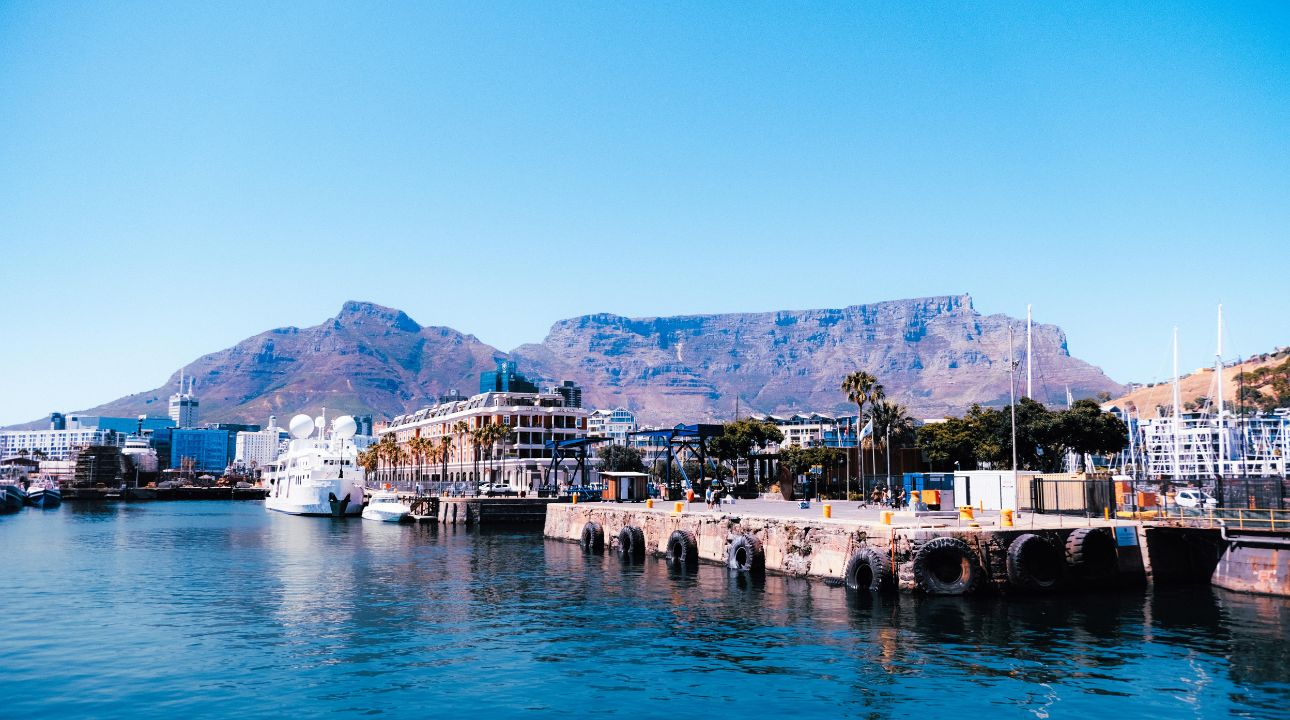
The Cape Town International Convention Centre (CTICC) is a well-known example of a green venue that hosts numerous MICE events each year. The CTICC’s sustainability practices make it an attractive location for conferences and exhibitions looking to minimize their environmental impact.
Sustainable Practices:
- Energy Efficiency: The CTICC is certified with the Green Building Council of South Africa (GBCSA) for its commitment to energy efficiency. The building uses natural ventilation, solar panels, and energy-efficient lighting systems to minimize electricity consumption.
- Waste Management: The venue has a comprehensive waste management program that includes recycling and composting. It diverts a significant portion of its waste away from landfills by composting food waste and recycling paper, plastic, and metals.
- Water Conservation: CTICC is equipped with a rainwater harvesting system and water-saving technologies, such as low-flow toilets, which significantly reduce water consumption.
Impact:
- Job Creation: The CTICC has created numerous local jobs, particularly in the waste management, energy, and hospitality sectors. The green policies at the venue also encourage local businesses to adopt similar sustainable practices.
- Global Recognition: The CTICC’s eco-friendly practices have attracted international conferences and events, helping Cape Town establish itself as a leading destination for sustainable MICE tourism.
3. The UN Climate Change Conference (COP22) – Morocco
The COP22 conference in Marrakesh, Morocco, held in 2016, was a landmark event focused on advancing global climate action. Morocco used the opportunity to showcase its leadership in sustainability and promote green practices within the MICE industry.
Sustainable Practices:
- Zero Waste Event: COP22 aimed to minimize its environmental footprint by adopting a "zero waste" strategy. This included eliminating single-use plastics, encouraging reusable materials, and creating comprehensive recycling programs at the event.
- Renewable Energy: The venue for COP22 utilized solar energy, with several installations around the event space to power lighting, equipment, and other operations.
- Sustainable Transport: Public transportation and eco-friendly transport options, such as electric buses, were promoted to transport attendees. The conference also encouraged carpooling and other sustainable travel practices.
Impact:
- Global Leadership: COP22 helped to cement Morocco’s position as a leader in sustainable development and climate action within Africa. The country’s commitment to sustainability was evident in both the conference's logistics and its broader national policies.
- Inspiration for Future Conferences: The event set a standard for future international climate summits and MICE events, encouraging other countries and organizations to adopt similar sustainable practices.
4. The Sustainable Energy for All Forum – Nigeria
The Sustainable Energy for All Forum is an important conference focused on driving global energy solutions and promoting the transition to clean and renewable energy sources. Held in Lagos, Nigeria, the forum highlighted how MICE events can incorporate sustainability into their content and execution.
Sustainable Practices:
- Sustainable Venue Choices: The forum was held at a venue committed to reducing energy consumption and implementing sustainable building practices. The venue employed renewable energy sources and energy-efficient lighting and HVAC systems.
- Green Exhibitions: The event encouraged exhibitors to showcase sustainable technologies, such as solar power systems, energy-efficient appliances, and clean cookstoves, contributing to the forum’s overall theme of sustainable energy.
- Carbon Offset: The organizers calculated the carbon emissions associated with travel, accommodation, and event activities, offsetting them by investing in projects aimed at reducing greenhouse gases.
Impact:
- Local Economic Growth: The event provided a platform for local businesses and startups in the clean energy sector to connect with international investors, fostering the growth of Nigeria’s green economy.
- Energy Awareness: The forum increased public and corporate awareness about the importance of renewable energy and sustainable practices in achieving energy access across Africa.
5. The Green Building Conference – Kenya
Kenya’s Green Building Conference is an example of how sustainable construction and green building practices can be promoted through the MICE industry. The conference serves as a platform for industry professionals to discuss sustainable architecture, construction, and urban planning.
Sustainable Practices:
- Eco-friendly Venues: The event was hosted at a venue that prioritized sustainability in its design, including solar panels, water conservation systems, and natural lighting to minimize environmental impact.
- Sustainable Materials: Exhibitors showcased sustainable building materials, such as recycled steel and locally sourced materials, promoting environmentally responsible construction practices.
- Carbon Neutrality: The conference worked with carbon offset programs to neutralize emissions generated from transportation and other activities associated with the event.
Impact:
- Innovation in Green Building: The event attracted leading architects, engineers, and construction firms, encouraging the adoption of sustainable building practices in Kenya and the broader African region.
- Training and Capacity Building: The conference provided training and professional development opportunities for local engineers, architects, and construction workers, building the capacity of Kenya’s green building sector.
Conclusion: Lessons Learned from Green MICE Events in Africa
The success of these sustainable MICE events in Africa offers several key takeaways for others looking to create green conferences:
- Venue Selection is Key: Choosing venues that are committed to sustainability is crucial. Venues that implement green building certifications and energy-saving measures provide a solid foundation for hosting green events.
- Carbon Offset Programs: Calculating and offsetting the carbon footprint of the event, including transportation and energy use, helps reduce the overall environmental impact.
- Local Engagement: Sustainable MICE events can create economic opportunities for local businesses, especially through the use of locally sourced products and services.
- Educational and Industry Impact: These events often serve as educational platforms, promoting sustainable practices across industries, from agriculture to energy to construction.
By adopting these strategies, African countries can further strengthen their position as global leaders in sustainable MICE tourism, helping to drive both economic growth and environmental preservation.

More articles for you

The Great Wildebeest Migration: Why July to October is the Best Time to Visit the Masai Mara
Fri, Jul 31, 2026 12 Mins
Africa’s Top MICE Destinations: Where Business Meets Exceptional Experiences
Wed, Jul 29, 2026 10 Mins

DRC’s Tourism Push: A Bold Gamble?
Tue, Jul 15, 2025 9 Mins

Kenya Airways Boosts Capacity with Dreamliner Return & New Leases
Tue, Jul 15, 2025 9 Mins

Airlink-Turkish Airlines Codeshare: A Game Changer for African Travel
Tue, Jul 15, 2025 10 Mins

European Hotels Embrace AI
Mon, Jul 14, 2025 10 Mins